Downtown office tower — 6-story curtain wall
PVDF fluoropolymer in a custom bronze over 8,200 linear feet of mullion and cover cap. Three-phase delivery, each lot ΔE-verified against the approved sample.
AAMA 2605-compliant powder systems for curtain wall, window frames, column covers, sunshades, and decorative facade metal. PVDF fluoropolymer and super-durable polyester finishes with manufacturer-backed 20-year color retention on qualifying systems.
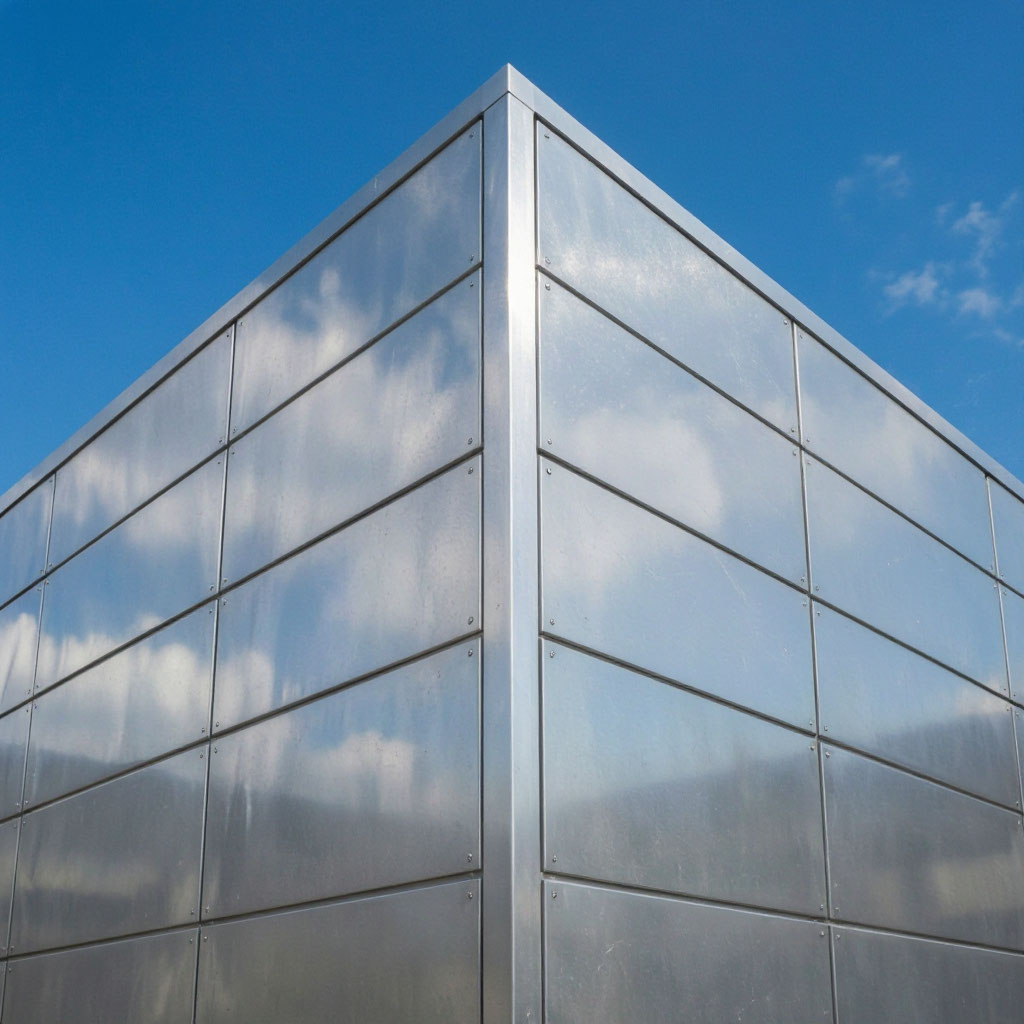
Architectural powder coating lives in a different world than industrial work. The parts are exposed to sun and weather twenty-four hours a day, they're almost always visible from the street, and the color that's specified on a drawing has to still match six years from now when the building gets photographed for an award submission.
That's why most exterior architectural specifications call for AAMA 2605-compliant systems. It's the toughest standard in the industry: 10-year South Florida exposure testing, 5,000-hour salt spray, and rigorous color-retention and chalk-resistance requirements. We run both PVDF fluoropolymer systems and super-durable TGIC polyester, depending on the spec and budget.
Most of our architectural work is extruded aluminum — mullions, curtain wall components, window frames, sunshade fins, and column covers. We also coat steel architectural elements like railings, canopies, and decorative panels, and work directly with fabricators, glazing contractors, and architects of record to hold the specified color and finish across every lot.
Mullions, transoms, pressure plates, and cover caps. Coated to match the architect's specified color across the entire project.
Fixed and operable frames, sashes, and muntins. Available in standard and custom color matches with either PVDF or super-durable polyester.
Aluminum column surrounds, fascia panels, and architectural trim. Two-sided coating available for exposed/interior faces.
Extruded aluminum fins and shading elements. UV-stable finishes that hold color through decades of direct sun exposure.
Interior and exterior railing components, post covers, and infill panels. Slip-resistant and textured finishes available.
Canopy frames, soffit panels, and architectural metal accents. Coated to match adjacent curtain wall and storefront components.
Architectural specifications almost always reference one of three AAMA standards. Here's what each actually means in the field.
Best for: interior applications, low-exposure decorative elements
Minimum performance standard for organic coatings on architectural aluminum. One-year South Florida exposure. Rarely specified for exterior work in modern practice.
Best for: exterior curtain wall, facade metal, high-visibility projects
The highest standard in the industry. Our default spec for any exterior project where color retention and chalk resistance matter. Backed by a 20-year color warranty on qualifying systems.
Best for: storefronts, light-commercial exterior, mid-exposure work
Mid-tier standard between 2603 and 2605. Five-year South Florida exposure. Popular where budget and performance need to balance.
Architectural work is spec-driven. These are the parameters we work to — and can certify to — for the systems we run. If your project needs something outside this list, call us before the submittal deadline and we'll tell you if we can meet it.
Architectural color selection is limited by what the manufacturer makes in a certified system. Here are the families we work with most often.
Subtle metallic depth with strong UV performance. Common on high-profile facades where a flat color reads as too generic.
Clear coat over mill-finish aluminum, or a two-coat system that mimics anodized appearance without the anodizing line.
Bronze, champagne, taupe, and stone. The workhorse palette for commercial and institutional buildings.
Charcoal, black, and deep navy. Popular on modern facades. Requires closer attention to heat gain and expansion tolerance.
Red, orange, and other high-visibility hues. Usually reserved for accent elements and signature facade features.
Standard for healthcare, education, and clean industrial. Chalk resistance matters most here — that's where 2605 pulls away from 2604.
We review the specified AAMA standard, color, and finish. Provide product data sheets, sample chips, and finish warranty documentation for the submittal package.
Physical sample panels coated in the specified color and finish, submitted for architect and owner approval before production begins. Approval is documented and archived.
For multi-phase projects, we run a pilot lot of representative parts first. This establishes ΔE baseline and catches any racking or masking issues before full production.
Full production runs scheduled against the glazing contractor's installation sequence. Each lot traced with powder batch, oven logs, and thickness readings.
Every shipment includes a certificate of conformance, thickness report, and color verification. Warranty documentation follows the final shipment.
Touch-up kits and field repair guidance for jobsite handling marks. If a piece gets damaged during install, we can usually recoat it within a week.
PVDF fluoropolymer in a custom bronze over 8,200 linear feet of mullion and cover cap. Three-phase delivery, each lot ΔE-verified against the approved sample.
Super-durable polyester in a clean off-white across 340 window frames and storefront components. Specified to AAMA 2604 with 2605-grade chalk resistance for the west elevation.
PVDF in a warm champagne over 220 extruded sunshade fins, each up to 18 ft in length. Delivered in two phases to match the GC's curtain wall installation schedule.
Yes. We provide 4" × 6" coated sample chips, or full-size production panels on request for any project over 500 linear feet. Sample production typically takes 5–7 business days. We archive the approved sample and match every subsequent production lot against it.
2605 is the tougher standard — 10-year versus 5-year South Florida exposure, higher chalk resistance, higher color-retention limits, and greater salt-spray hours. For any exterior facade on a project with a design life over 10 years, we recommend 2605. For interior or low-exposure exterior elements, 2604 is often sufficient and less expensive.
Every production lot is measured against the archived approved sample using a spectrophotometer, with ΔE held to 2.0 or tighter. We hold powder from a single manufacturer batch for the full project wherever possible, and pull from a reserved inventory when the project runs over multiple years.
Yes. Every shipment includes a certificate of conformance documenting powder batch, pretreatment, cure schedule, film thickness readings, and the operator who ran the lot. Thickness readings are taken per rack, not per lot, so we can trace any specific part.
Yes, with limitations. We can usually match to a physical sample or a retained cut-piece from the existing facade. Exact matching gets difficult after years of UV exposure — the sample itself has faded. In those cases we recommend matching to the original specified color, not to the weathered appearance.
Extruded aluminum is our primary substrate and where our AAMA certifications apply. We also coat steel for railings, canopies, and structural architectural metal. Composite aluminum panels can be coated, but only with low-temperature powders and specific manufacturer approval.
Typical project lead time is 7–14 business days per production lot, phased against the glazing contractor's install sequence. We schedule architectural work 4–6 weeks out from the start of production, so it's important to have the shop drawings approved and the sample signed off before finalizing the delivery schedule.
Yes. Every architectural shipment includes a touch-up kit with matching powder, applicator, and instructions for small handling marks. For larger damage, we can recoat individual pieces — turnaround on a single recoat is usually 5–7 business days.
Send us the architectural spec section, color, quantity, and phasing — we'll return a quote, a lead-time commitment, and a clear statement of which AAMA standard our system meets. Sample panels available before award.